

same same different
looking again at what is around us

As we become increasingly interconnected through the ever-accelerating speed of our communication, it feels, at times, quite overwhelming. News that used to take months now travels across continents in less than a second. We are watching crises play out on the other side of the world, and often notice less of the happenings in our local environment.
The pieces that make up our homes tell a similar story. Many — if not most — of the articles that we use in our daily lives are constructed in another part of the world. From the spatula (probably China) to the towels (perhaps Pakistan) to the clothing on our body.
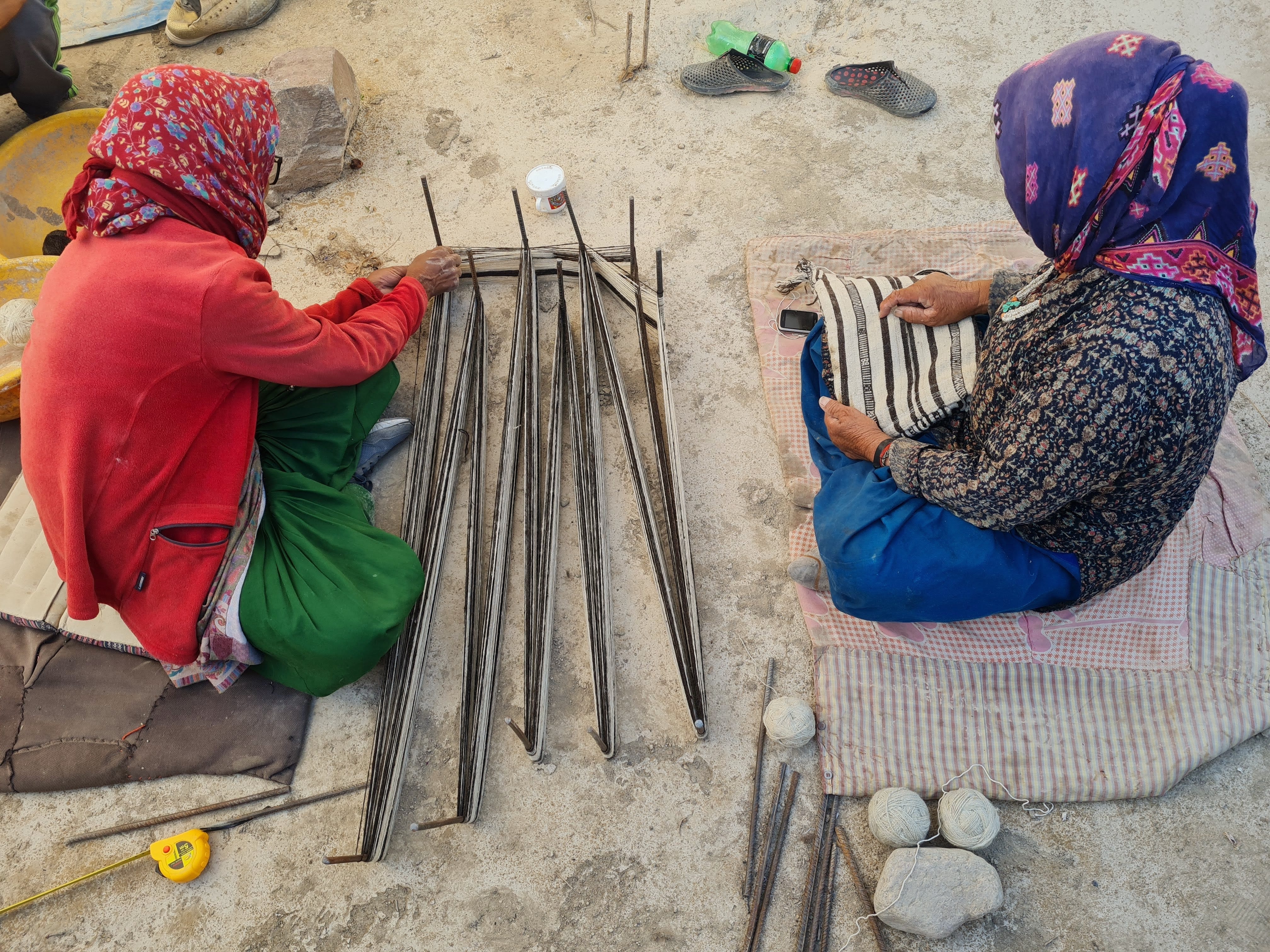
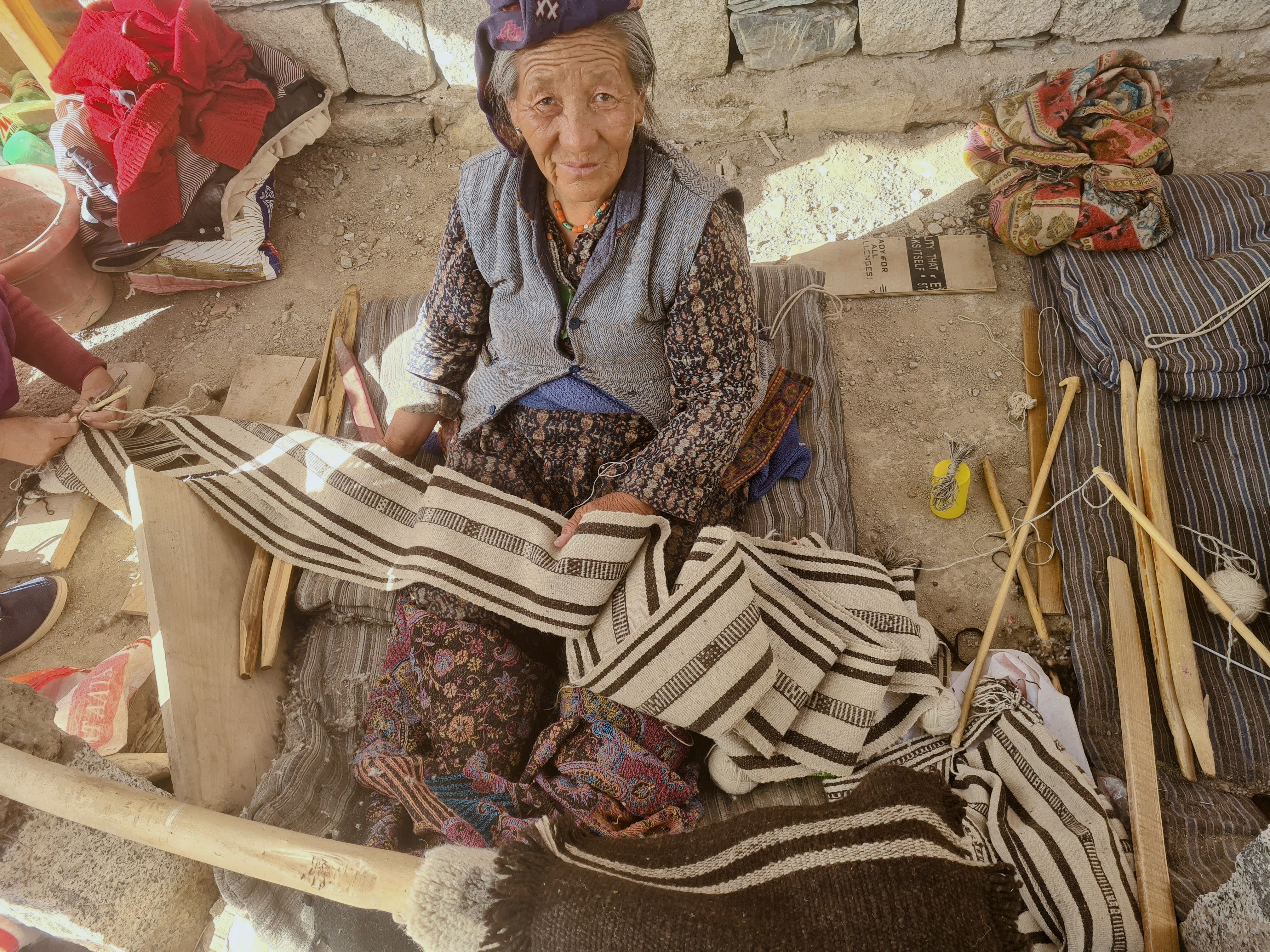
It is not immediately apparent, because many of these pieces do not hold a visual clue as to where they have been made. In the past, one would be able to study the colors, the patterns, the material itself, to guess at an origin. Today, much of it looks the same.
... what had once been the world ’s most common and widely distributed popular art—making textiles—has almost disappeared from the hands of the artisan. In the preindustrial period, anthropologists estimate, humans devoted at least as many labor hours to making cloth as they devoted to producing food. It is almost impossible to overstate how enormous was the change in the daily rhythm when textile work disappeared from everyday life and moved into the factory.1
Clothing can be seen as a means of communication as well as a form of connection. It reveals how we see ourselves and how we wish to be seen by others. Clothing allows us to recognize similarities and shared interests and can give an idea of a stranger’s journey.
With the speeding up of our communication and our consumption, the stories held in what we wear are no longer heard.
Where and how have our garments come into being, who all participated in creating them, and how will this understanding change how we relate to them? From this, we can ask ourselves further — how do we dress in harmony with a collective vision of healing for the world?
Today, these considerations feel more important than ever.
“In a real sense all life is inter-related. All are caught in an inescapable network of mutuality, tied in a single garment of destiny. Whatever affects one directly, affects all indirectly.”
Martin Luther King Jr.
sending light,
F